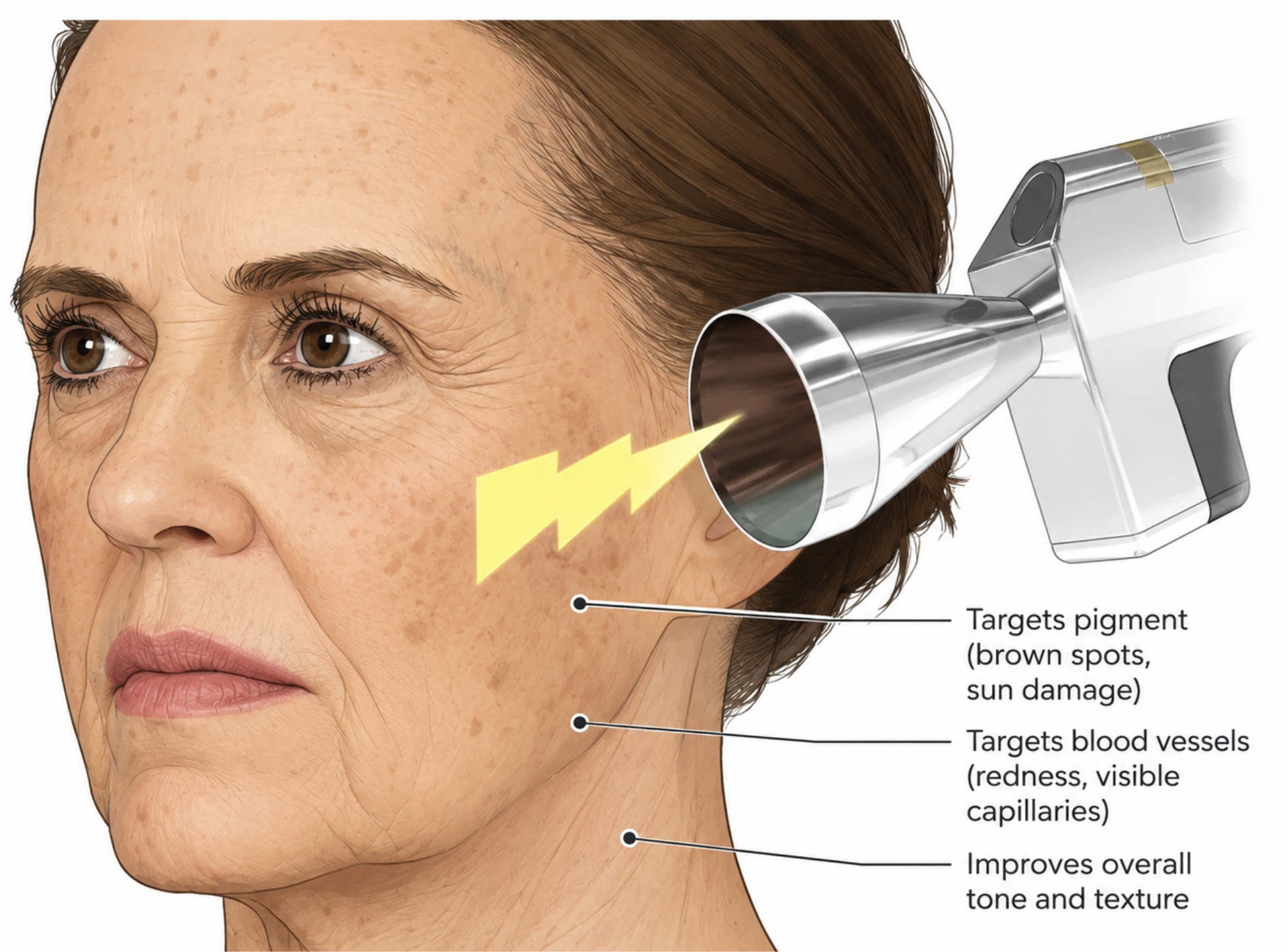
What Are the Best Treatments for Skin Aging?
Skin aging treatment is not one-size-fits-all. Different skin types age differently and carry different risks with lasers, chemical peels, and resurfacing treatments. This article explains how skincare, chemical peels, IPL, collagen-stimulating lasers, and resurfacing treatments work, along with why proper diagnosis and individualized treatment planning are critical for safe, natural-looking skin rejuvenation.
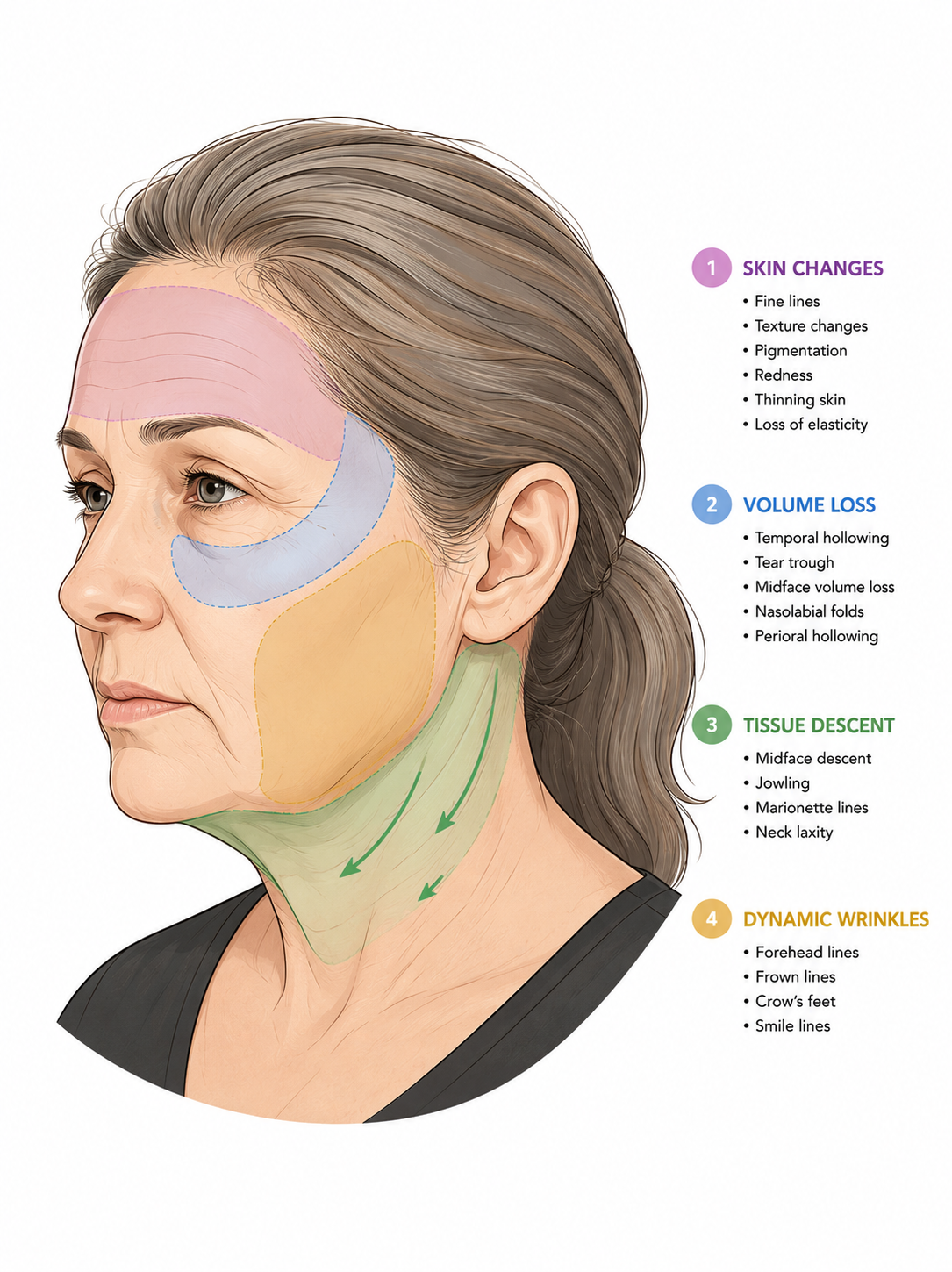
What Actually Makes a Face Look Older? A Surgeon’s Framework for Facial Aging
Facial aging is not caused by just one problem. Skin quality changes, volume loss, tissue descent, and dynamic wrinkles all contribute differently to an aged appearance, which is why effective facial rejuvenation requires a thoughtful, individualized analysis rather than a single treatment.
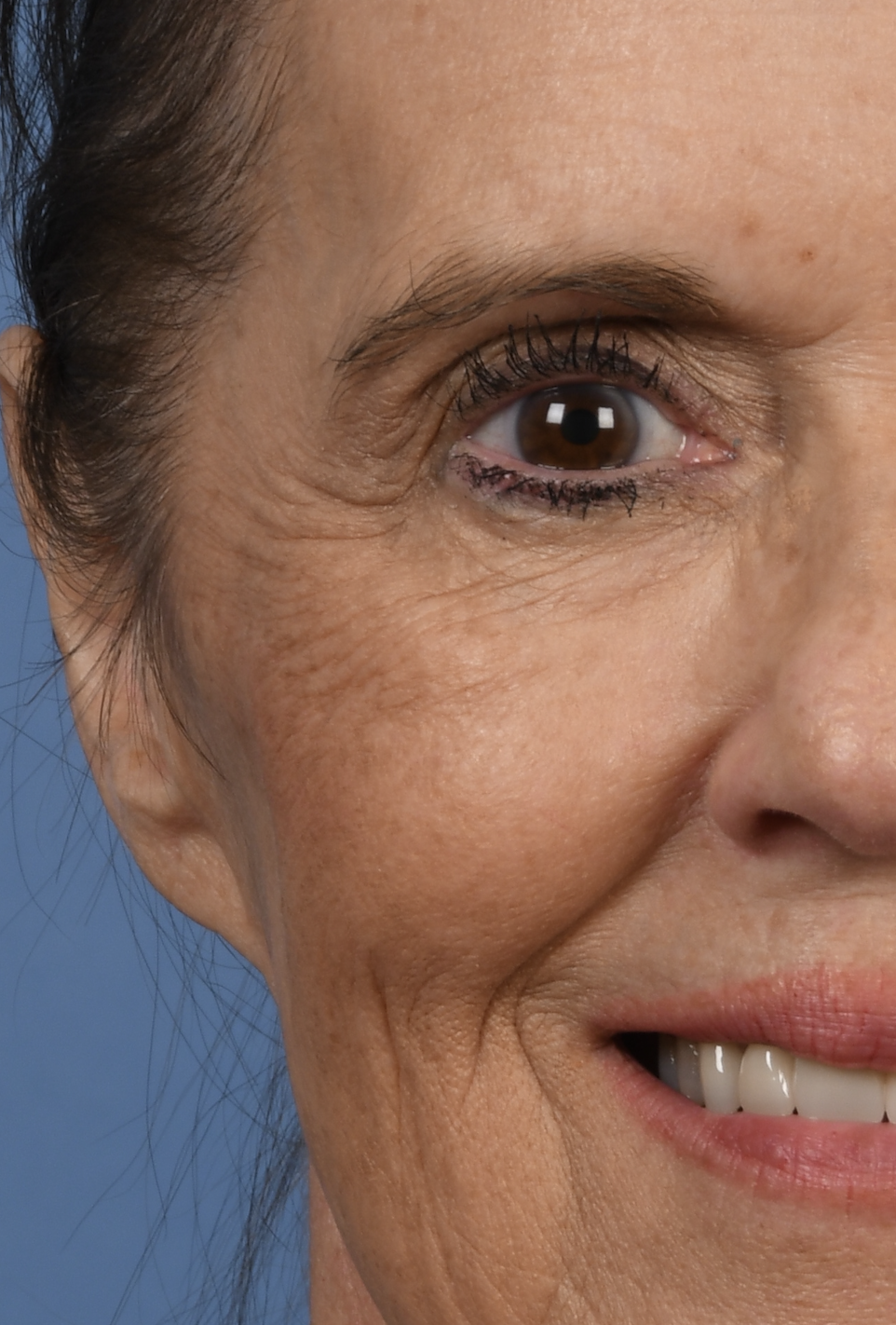
Why Are Some Wrinkles Dynamic and Why Do Some Become Permanent?
Dynamic wrinkles are caused by normal facial muscle movement, while permanent wrinkles develop over time as repeated expression combines with collagen loss, sun damage, and skin aging. Understanding the difference between dynamic and permanent creases helps determine whether treatments like Botox, skin resurfacing, lasers, or surgical rejuvenation are most effective.
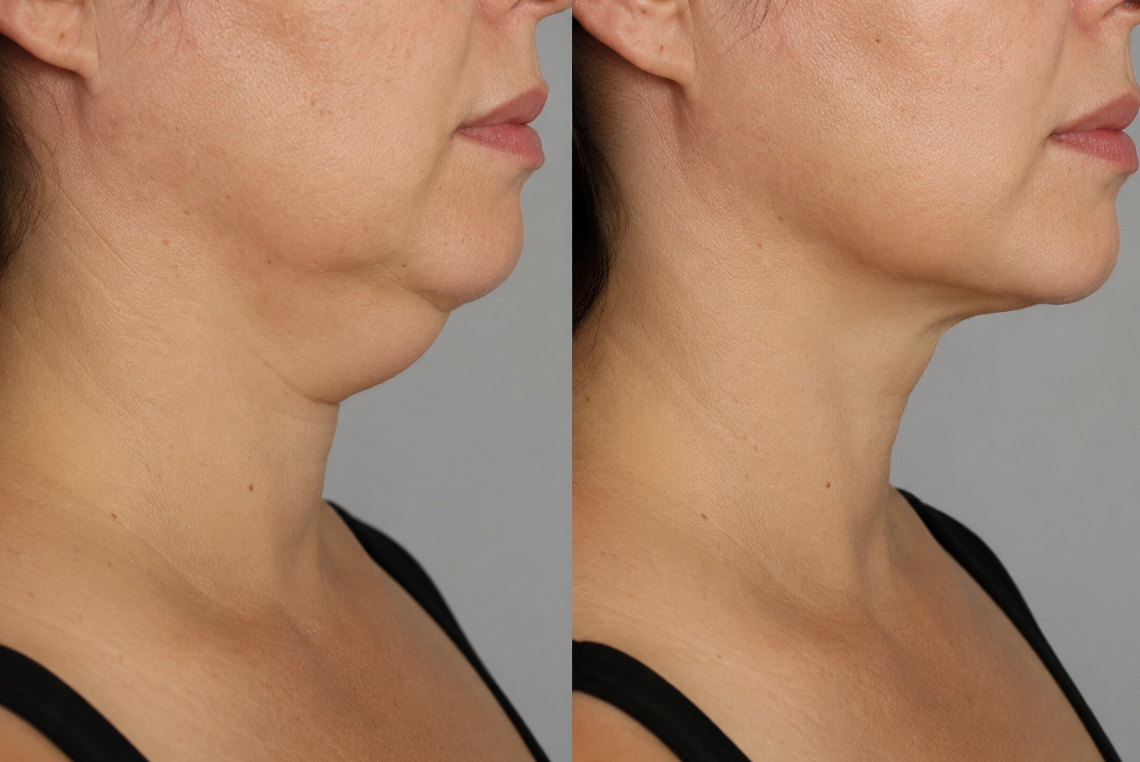
Why Do I Still Have Fullness or Loose Skin Under My Chin After a SMAS Facelift?
Residual fullness underneath the chin after a facelift is often caused by deeper neck anatomy that was not fully addressed during the original surgery. In many patients, especially those with heavier neck structure, a deep neck lift or more extensive structural release may be needed to create sharper jawline and neck definition.
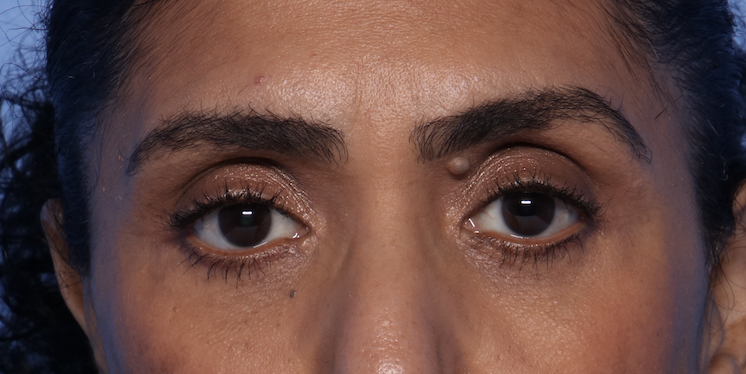
Can Filler Help With Hooded Eyes After Weight Loss?
Can filler help with hooded eyes after weight loss? In many patients, especially after significant weight loss or GLP-1 medications like Ozempic or Zepbound, the issue is not simply excess eyelid skin. Volume loss around the eyes can create a hollow, tired, or hooded appearance, and treatments such as filler or fat transfer may restore support and contour more effectively than skin removal alone.
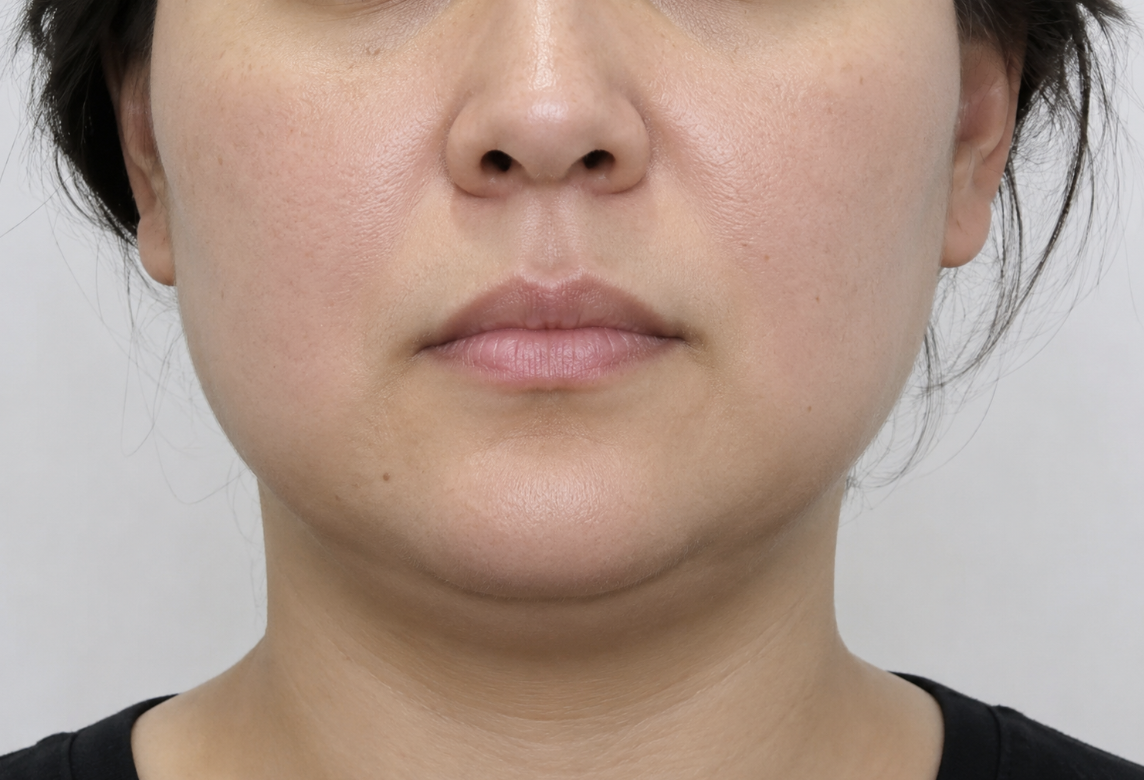
How Can I Improve the Roundness of My Face?
Wondering how to make your face look less round? Facial roundness can be caused by several factors including enlarged masseter muscles, buccal fat fullness, excess facial fat, genetics, and overall facial anatomy. This article explains how treatments such as masseter Botox, buccal fat reduction, submental liposuction, and weight loss can improve facial definition while maintaining natural-looking balance.
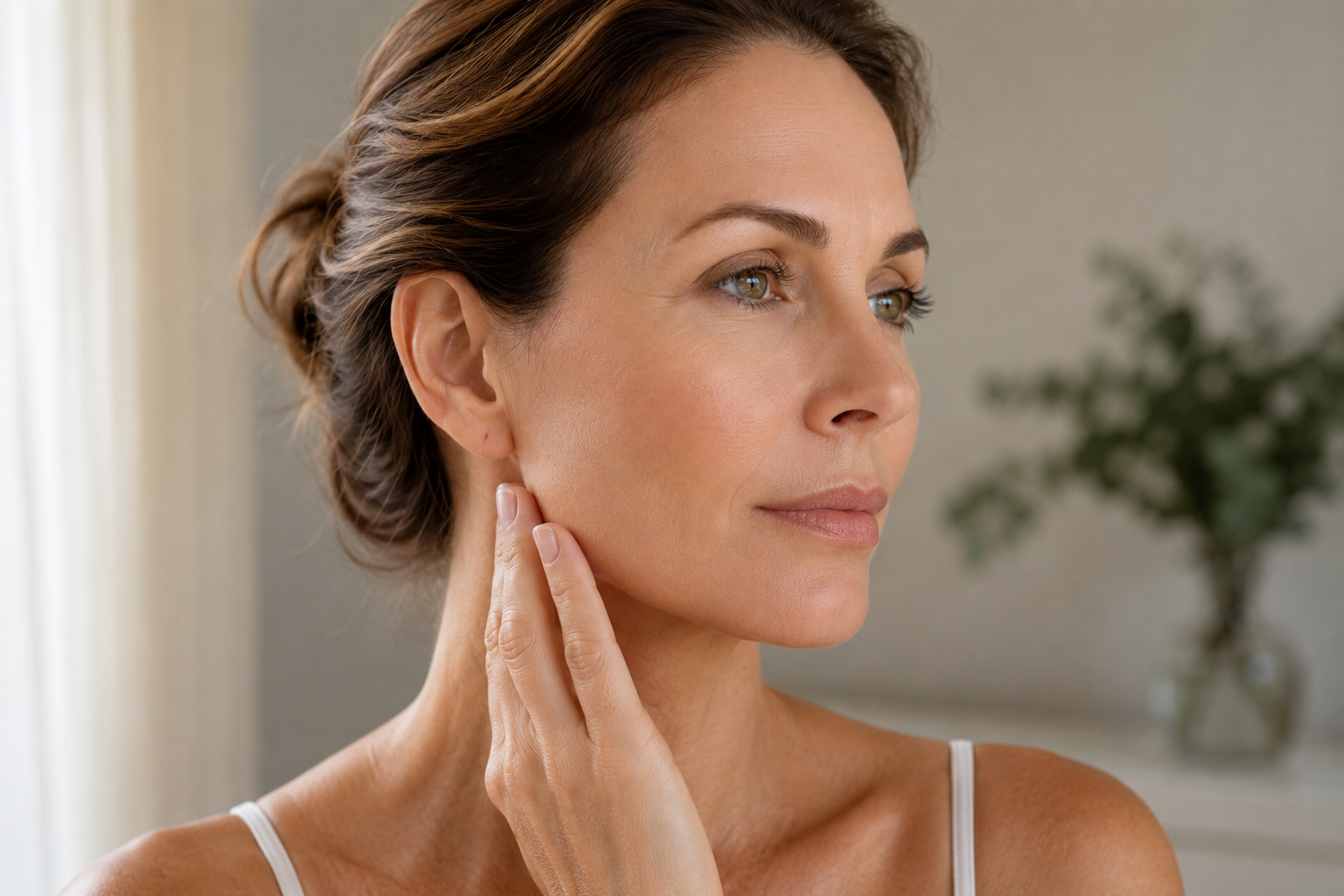
Will I Have Numbness After Facelift Surgery?
Learn why temporary numbness after facelift surgery is a normal part of healing, how facial sensory nerves recover over time, and what patients can realistically expect during facelift recovery after surgery.

What Is the Downtime for a Facelift?
Facelift recovery is often quicker than patients expect, with many people feeling comfortable in casual public settings around two weeks and socially presentable by three weeks. This article explains what facelift downtime actually looks like, including swelling, activity restrictions, return-to-work timing, and how healing progresses during the first several weeks after surgery.
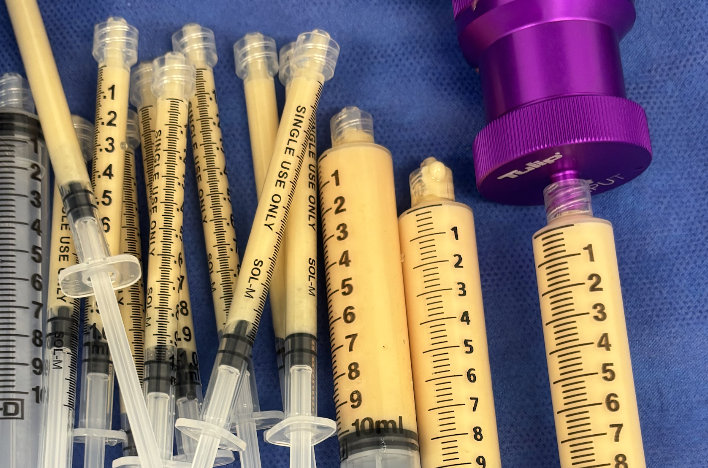
How Long Does Fat Grafting Last?
Fat grafting is considered a long-lasting, often permanent solution for restoring facial volume because the transferred fat becomes living tissue in its new location. This article explains how fat transfer works, how much fat survives long-term, and how aging and weight changes can still affect facial volume over time.
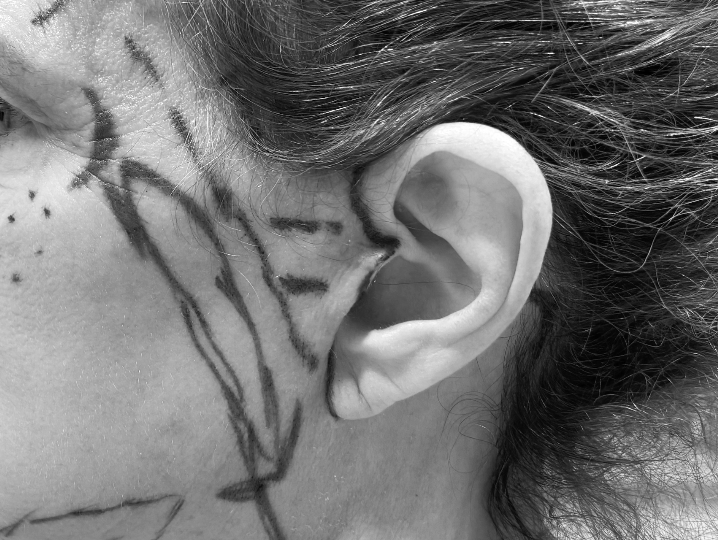
What Is a Mini Facelift?
A mini facelift is not one specific, standardized procedure. In facial plastic surgery, the term generally refers to a less extensive type of facelift with a smaller degree of lifting, shorter recovery, or more limited dissection. This article explains what a mini facelift actually means, who is a good candidate, when a more comprehensive facelift may be needed, and important questions to ask.
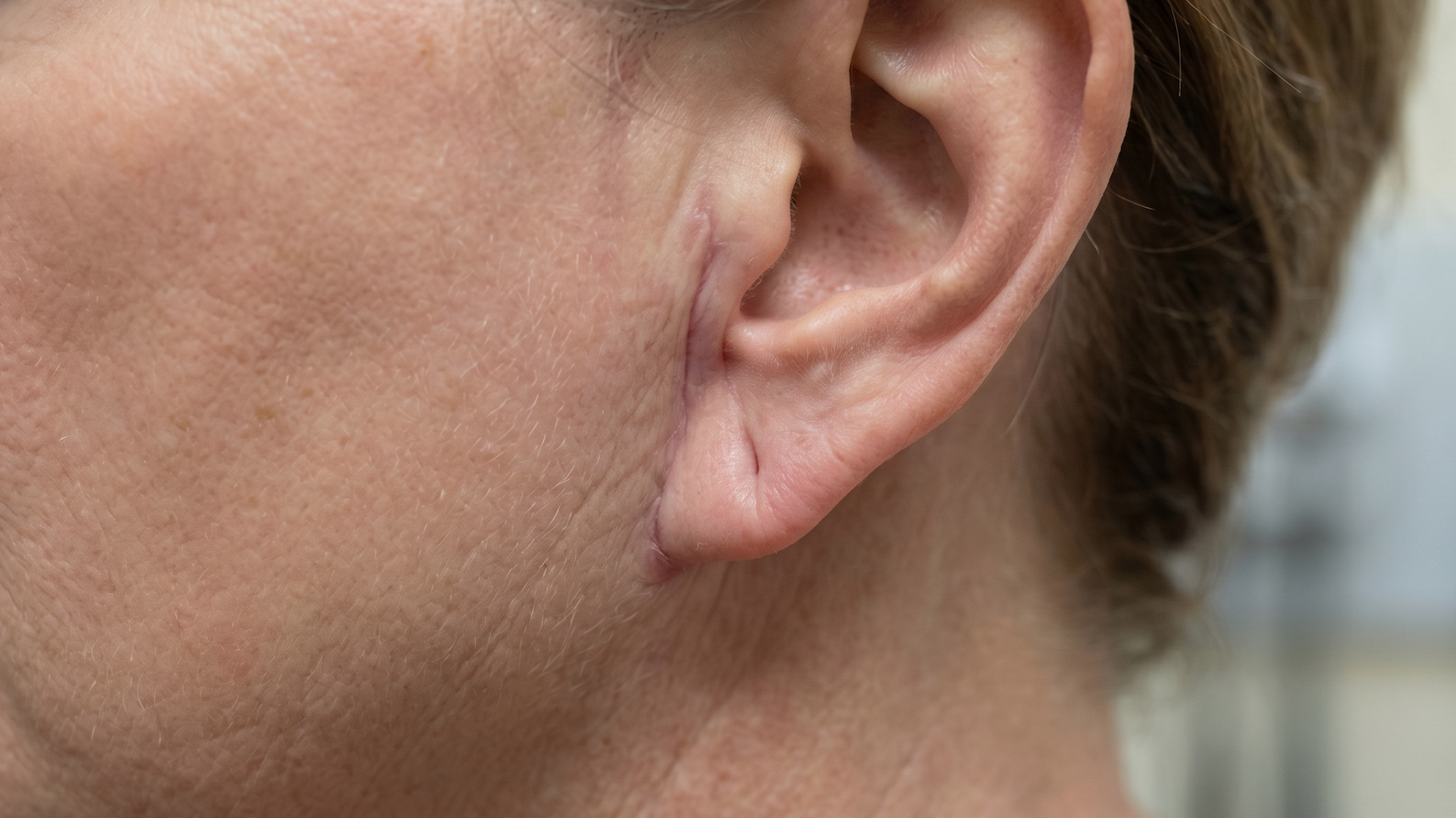
Will a Revision Facelift Fix a Poorly Positioned Ear After a Previous Facelift?
A revision facelift can often improve a poorly positioned ear or “pixie ear” deformity after a previous facelift by correcting the underlying tension placed on the skin during the original surgery. This article explains why ear distortion happens after facelift surgery, how revision techniques address it, and what patients can realistically expect from revision facelift surgery.
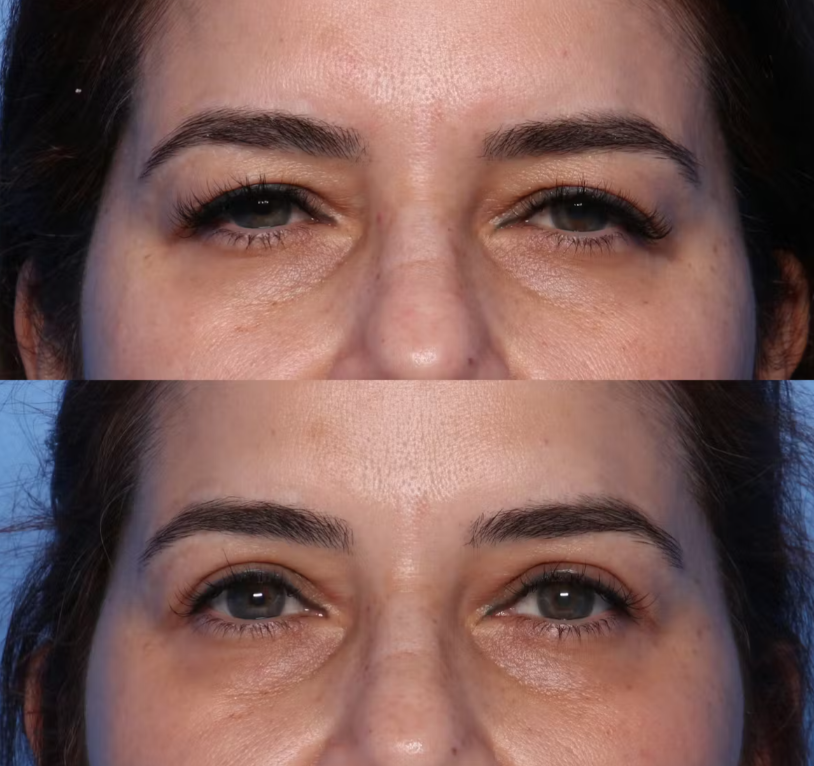
Do I Need a Brow Lift or Upper Blepharoplasty?
Heavy or hooded upper eyelids are often caused by more than just excess eyelid skin. Brow descent, forehead aging, volume loss, and eyelid position can all contribute to a tired appearance around the eyes. This article explains the difference between upper blepharoplasty and brow lift surgery, how surgeons determine which procedure is needed, and when combining the two creates a more natural and complete result.